

The Thoughts of Youth
An International Perspective on Adolescents' Ideal Persons

This book can be opened with

Note on our eBooks and Audiobooks: you can read our eBooks (ePUB or PDF) and listen to audiobooks on the free Emerald Books app on iOS, Android, and desktop. Or read and listen on Emerald's online reader (ePUB eBooks and audiobooks only). To purchase a digital book you will need to create an account if you don’t already have one. After purchasing you will receive instructions on how to get started.
- Description
- Contents
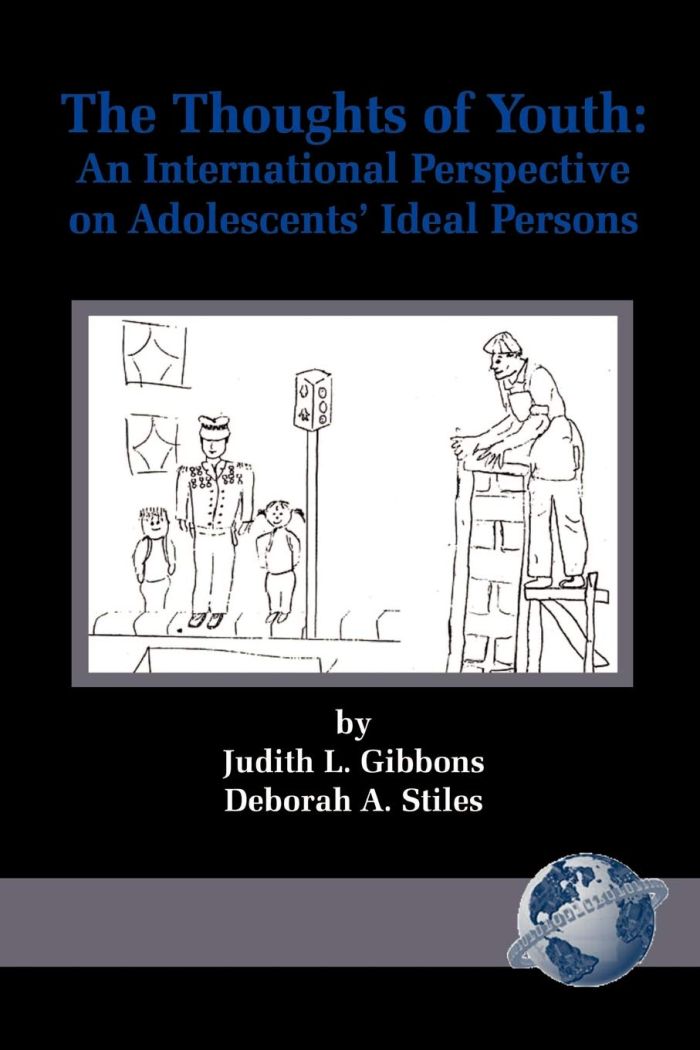
Most knowledge about adolescent development is based on adolescents living in the United States or Europe. "The Thoughts of Youth" reports a study in which over 6000 adolescents from 20 regions of the world, including the Americas, Europe, Africa, and Asia, described an ideal woman or ideal man. Adolescents' images of the ideal person reflect their personal values about gender roles, their expectations and plans for the future, and their cultural values. "The Thoughts of Youth" presents the teenagers’ perspectives - their descriptions, drawings, and interpretations of their peers’ responses. Issues of importance to adolescent development are addressed, including morality and altruism, physical appearance and attractiveness, self and identity, intelligence and schooling, work, fun and leisure, family relationships, and romance. In contrast to the stereotype that adolescents are preoccupied with appearance and popularity, adolescents in this study endorsed kindness, honesty, helpfulness, and a positive attitude toward children. This book documents both the universal attitudes of adolescents and the ways that teenagers’ views differ by gender, culture, and economic condition.
List of Figures/Tables
- Acknowledgments
- Chapter 1. Introduction: The Why and How of International Studies of Adolescents' Ideal Persons
- Chapter 2. Moral Thinking and Altruism
- Chapter 3. Physical Appearance and Attractiveness
- Chapter 4. Self and Identity
- Chapter 5. Intelligence and Schooling
- Chapter 6. Work, On the Job and at Home
- Chapter 7. Leisure and Fun
- Chapter 8. Relationships, Family, and Romance
- Chapter 9. Demographic and Cultural Differences among Adolescents
- Chapter 10. Concluding Remarks
- Appendices
- References
- Index