
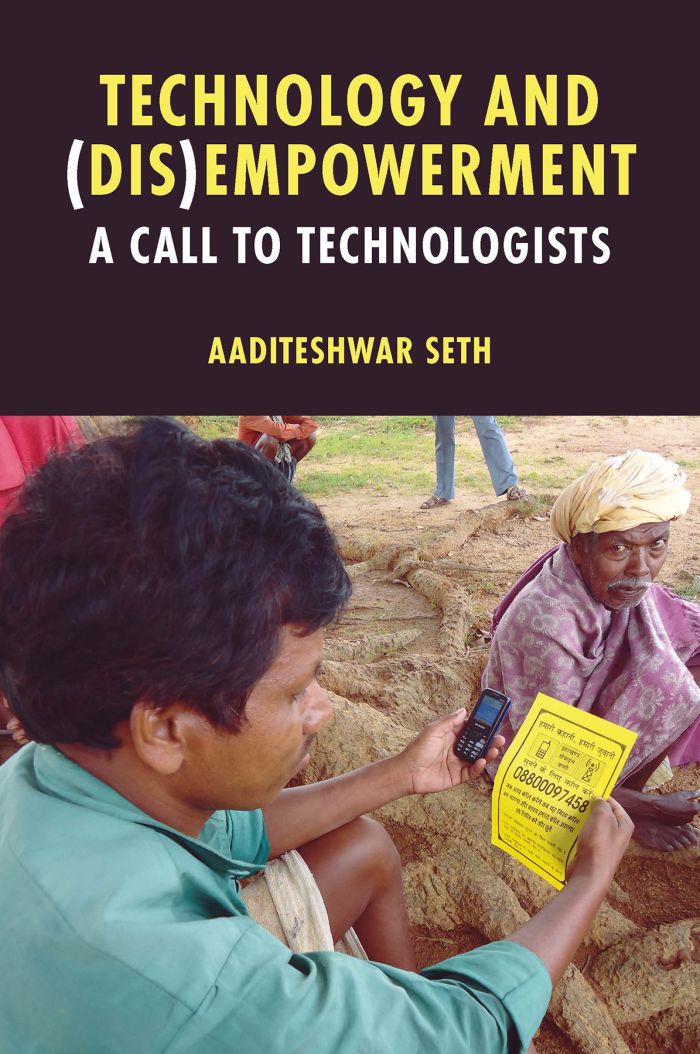

Technology and (Dis)Empowerment
A Call to Technologists

This book can be opened with

Note on our eBooks and Audiobooks: you can read our eBooks (ePUB or PDF) and listen to audiobooks on the free Emerald Books app on iOS, Android, and desktop. Or read and listen on Emerald's online reader (ePUB eBooks and audiobooks only). To purchase a digital book you will need to create an account if you don’t already have one. After purchasing you will receive instructions on how to get started.
- Description
- Contents
- Reviews
- About
The complex relationship between technology and social outcomes is well known and has recently seen significant attention due to the deepening of technology use in many domains. This includes issues such as the reproduction of inequality due to the digital divide, threats to democracy due to misinformation propagated through social networking platforms, algorithmic biases that can perpetuate structural injustices, hardships caused to citizens due to misplaced assumptions about the gains expected from the use of information technology in government processes, and simplistic beliefs that technology can easily lead to social development.
This timely work draws attention to the varying factors by which technology often leads to disempowerment effects. Featuring a Foreword by Tim Unwin, UNESCO Chair in ICT4D, Seth makes a call to technologists to burst the technology optimism bubble, build an ethos for taking greater responsibility in their work, collectivize to similarly shape the internal governance of their organizations, and engage with the rest of society to strengthen democracy and build an acceptance that the primary goal of technology projects should be to bring equality by overturning unjust societal structures.
Foreword; Tim Unwin
- Chapter 1. Introduction
- Chapter 2. Contemporary Problems
- Chapter 3. Understanding Social Good
- Chapter 4. Ethics Based Foundations
- Chapter 5. The Limits of Design
- Chapter 6. Ensuring Power-based Equality
- Chapter 7. Constraining Structures and Ideologies
- Chapter 8. Overcoming Paradigms that Disempower
- Chapter 9. Societal Participation
- Chapter 10. Conclusions
- Chapter 11. Epilogue
If you want to use information technology to make a positive difference in the world, then you need to read this book. Aadi Seth combines careful analysis of the interplay between technology design and socio-political processes with a wealth of practical experience to identify key challenges that efforts around IT for Good will always have to face.
Given the enormous influence and control of technologies over our lives, an ethical enquiry into their development, use and ownership is of vital importance. This book provides an incisive account of how state and market-led technologies have exacerbated socio-economic and environmental injustice, and conversely, how technologies based on the ethics of plurality, diversity, power-based equality, freedom and participation can help the movement towards justice and sustainability. Seth's call is not for rejecting technology, but for paradigm shifts towards more socially engaged technology and technologists.
Professor Aaditeshwar Seth has spent years developing technologies through Gram Vaani, a social enterprise delivering a voice-based social media platform in northern India. Based on wide-ranging scholarship and hard-won experience, he counters market values with an approach to social impact that takes ethics and socio-technical theories seriously. If you're a technologist hoping to contribute to social good, this book will keep you honest!
What comes out most importantly in the text is Aadi's two-fold firm conviction – one, that a technological community committed towards social good is indeed possible; and two, that dividing lines across technologists and ordinary people can be bridged, and this is what he has argued for. I hope that the technological community engages with these arguments.
Aaditeshwar Seth is an Associate Professor in the Department of Computer Science and Engineering at the Indian Institute of Technology Delhi, and co-founder of the social technology enterprise Gram Vaani. He is passionate about building appropriate technologies and participatory tools that can empower marginalized and oppressed communities to collectivize and voice themselves. Several million people have directly touched these technology platforms. Over 150 development organizations worldwide have drawn upon the work done by Aaditeshwar's team at Gram Vaani and his students from the ACT4D (Appropriate Computing Technologies for Development) research group at IIT Delhi. Many elements of their work have also been adopted by government departments and have influenced the use of technologies for development in the social sector.