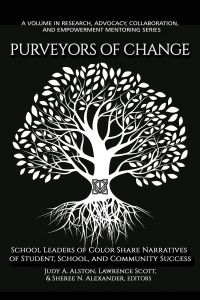
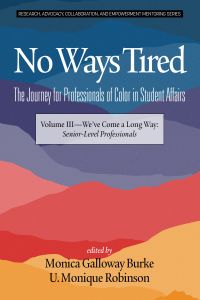
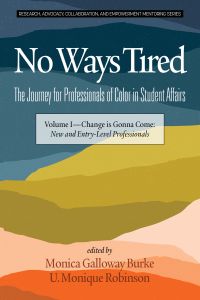
Research, Advocacy, Collaboration, and Empowerment Mentoring Series
In many settings, the professoriate remains less than 10% educators of color, and access, expectation, and opportunity gaps persist. Doctoral students and early-career scholars of color continue to face mentoring disparities (i.e., differential support, [dis]continuity, quality and fit, cultural responsiveness, etc.) and ABD “stall-out,” while classic and contemporary scholarship documents patterns (e.g., presumed incompetence; “chilly climates”) still under-addressed. R.A.C.E. Mentoring: Pathway Building in the Academy and Beyond series positions RACE (Research, Advocacy, Collaboration, Empowerment) Mentoring as a tested blueprint and community to change structures and outcomes. The series advances scholarship and praxis that dismantle inequities in the academy and across P–20 systems. Rooted in RACE Mentoring, it addresses isolation, invisible labor, mentoring gaps, and limited research opportunities that derail scholars of color from doctoral study through tenure and leadership. RACE Mentoring publishes authored and edited volumes that pair rigorous research with actionable tools, elevating counterspaces, identity-affirming pedagogies, and cross-sector partnerships linking universities, PK–12, and communities. It foregrounds equity-centered mentoring architectures and advisor development that support progression from doctoral training to senior leadership; examines identity development, belonging, wellness, and retention; and documents HBCU/MSI and PWI collaborations that strengthen pathways, bridge programs, and pipelines. The series interrogates fair workload, tenure and promotion processes, and institutional accountability; advances culturally responsive and sustaining teaching, assessment, and curriculum; and spotlights community-engaged scholarship and scholar-activism that translate research into impact. RACE Mentoring also features methodological contributions employing critical, decolonizing, and participatory approaches, alongside analyses of policy, leadership, and organizational change necessary to expand access, equity, and achievement. Manuscripts often include practitioner toolkits, case-driven handbooks, and evaluation resources that convert evidence into implementation—centering dignity and excellence while providing concrete strategies to recognize, cultivate, and sustain talent.