
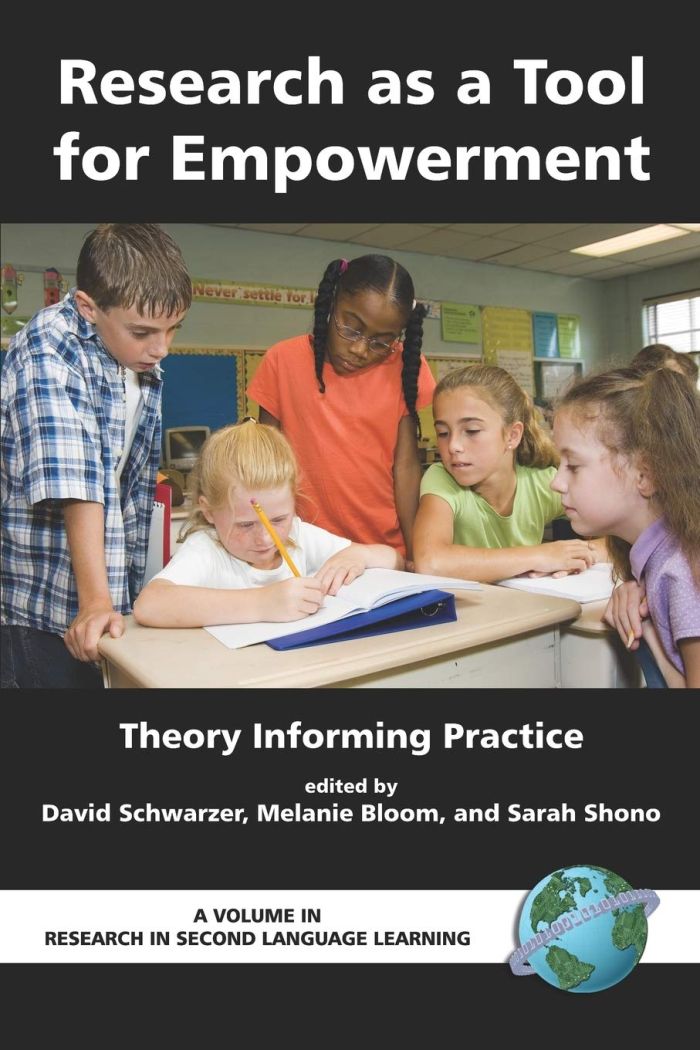
Research as a Tool for Empowerment
Theory Informing Practice

This book can be opened with

Note on our eBooks and Audiobooks: you can read our eBooks (ePUB or PDF) and listen to audiobooks on the free Emerald Books app on iOS, Android, and desktop. Or read and listen on Emerald's online reader (ePUB eBooks and audiobooks only). To purchase a digital book you will need to create an account if you don’t already have one. After purchasing you will receive instructions on how to get started.
- Description
- Contents
Research as a Tool for Empowerment: Theory Informing Practice is an edited volume that includes an array of research-based chapters that not only further the field of second/foreign language research, but also provide practical implications to language classrooms in international and national settings. Chapters in this volume present a bridge between methodologically sound second/foreign language research and strong pedagogical implications. This volume includes the voices of researchers, graduate students, teachers, parents, and learners exploring the second/foreign language phenomena. The multiple voices of the contributing authors reflect the diverse readership of the Research in Second Language Learning series. Unlike previous anthologies in second/foreign language research, this volume presents studies from various research paradigms. Chapters include examples of various research methods from both quantitative and qualitative paradigms. Few previous anthologies have presented research based in multiple paradigms and from multiple perspectives. Research as a Tool for Empowerment: Theory Informing Practice not only presents these various perspectives, but it also makes the link from research to classroom implications and applications. The volume is unique as it makes a connection between different types of research and research methods and empowerment and issues of empowerment.
Foreword.
- Preface.
- Introduction.
- Part I. Researching Teachers' Voices
- Chapter 1. Foreign Language Anxiety: A Close Look at Nonnative Foreign Language Teachers.
- Chapter 2. Foreign Language Classroom: Voices from Nonnative Teachers.
- Chapter 3. Teacher Research and Student Needs: A Recipe for Invention.
- Chapter 4. Negotiating the ESL Curriculum in an Adult Literacy Program: A Teacher-Researcher's Perspective.
- Chapter 5. Changing the Way the Game is Played (and Reported): Learning in an Inquiry-Based Foreign Language Curriculum.
- Part II. Researching Learners' Voices
- Chapter 6. Inventing a Spanish Classroom: Responding to Students' Voices.
- Chapter 7. Empowering Parents and Children: The Case for Qualitative Parent-Child L2 Research.
- Chapter 8. Heritage Language Learners' Voices: The "Spanish for Spanish Speakers" Experience in a Rural Midwestern High School.
- Chapter 9. Noa's Ark is Resting: Insights from a Multiliterate Child's Journey.
- Part III. Researching Methological Voices
- Chapter 10. The Unstable Role of Context: A Comparison of Research Instruments.
- Chapter 11. Sharing Your Toys: Reciprocity as a Basis for Research Relationships.
- Chapter 12. Empowering Researchers and Nonnative Learners through Interviews.
- Chapter 13. Empowerment through Research: Future Directions.