
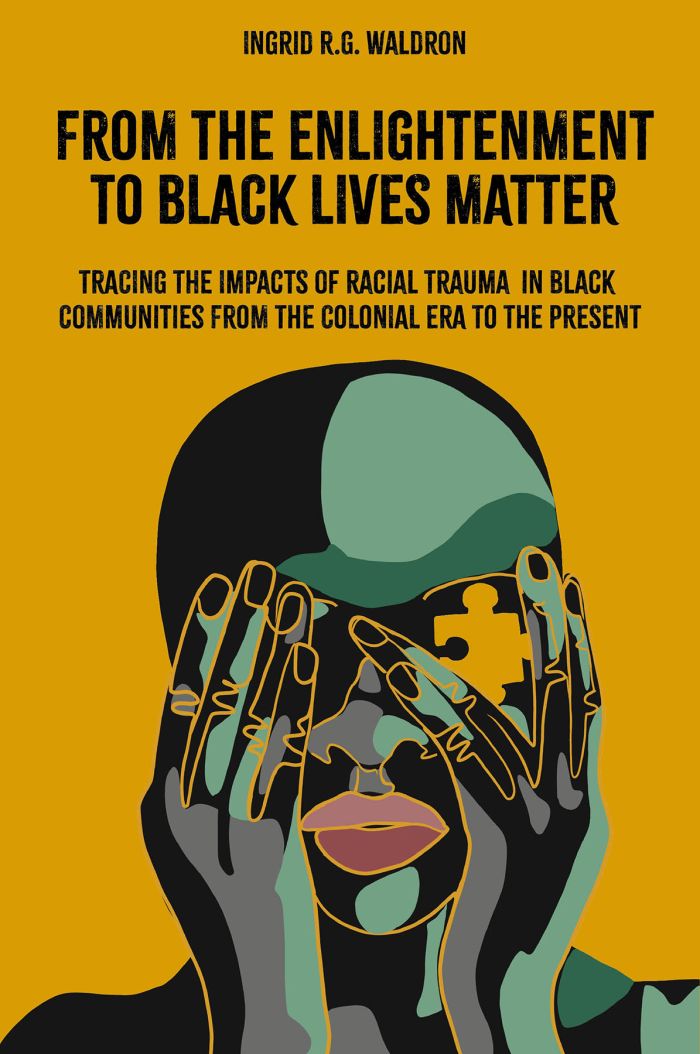

From the Enlightenment to Black Lives Matter
Tracing the Impacts of Racial Trauma in Black Communities from the Colonial Era to the Present

This book can be opened with

Note on our eBooks and Audiobooks: you can read our eBooks (ePUB or PDF) and listen to audiobooks on the free Emerald Books app on iOS, Android, and desktop. Or read and listen on Emerald's online reader (ePUB eBooks and audiobooks only). To purchase a digital book you will need to create an account if you don’t already have one. After purchasing you will receive instructions on how to get started.
- Description
- Contents
- Reviews
- About
Since the Age of Enlightenment, Black bodies have been sites of trauma. Drawing on anti-colonial theory, From the Enlightenment to Black Lives Matter interrogates how this has shaped understandings of Black life, Black trauma and Black responses to trauma within psychiatry and other mental health professions.
Focusing on the impact of racism on the mental health of Black communities in Canada, the UK and the US, author Ingrid R.G. Waldron examines the structural inequities that have contributed to the legacy of racial trauma in Black communities. Drawing on existing literature, as well as the voices of Black Canadians who participated in recent studies conducted by the author, Waldron uses an intersectional analysis to pinpoint how the intersections of race, culture, gender identity, sexual orientation, socioeconomic status, age and citizenship status shape experiences of racial trauma, mental illness and help-seeking in Black communities. Tracing the ideological representations of Black people within psychiatric and other mental health institutions that influence the diagnoses applied to them, chapters also highlight the beliefs and perceptions Black communities hold about mental health and help-seeking.
A timely challenge to the colonial and imperial legacy of psychiatry, From the Enlightenment to Black Lives Matter demonstrates how the politics of race and psychiatric diagnosis collide when diagnosing Black people and what this means for our current public health crisis.
Introduction
- Chapter 1. The Age of Enlightenment: The Roots of Racism in Psychiatry
- Chapter 2. How Representations of Race Inform Pathways to Care and Psychiatric Diagnoses
- Chapter 3. Black Lives Matter: The Public Health Crisis of Anti-Black Racism
- Chapter 4. Perceptions and Beliefs about Mental Illness in Black Communities and How They Influence Help-Seeking and Coping
- Chapter 5. Structural Competency: Moving Beyond Cultural Competency in the Mental Health System
- Conclusion: A Multilevel Approach to Addressing Racial Trauma in Black Communities
This book is illuminating and groundbreaking in many ways for its examination of how anti-Black racism and the interstices of identities contribute to the legacy of racial trauma in Black communities in Canada, the US, and the UK. Its comparative edge makes the book a must read for all interested in fighting anti-Blackness in Black health, racial trauma and beyond. By tracing perceptions of the Black body in the field of psychiatry, and how these perceptions have informed diagnosis and treatment from the colonial era to the present, readers get new exposures. The book drives home much-needed considerations to be had and actions to be taken to address racial trauma and mental illness in Black communities in Canada, the US and the UK.
Ingrid R.G. Waldron has done something truly remarkable: authored a definitive exploration of the effects of racism on Black mental health. From the Enlightenment to Black Lives Matter is a powerful, systematic and wholly convincing account of racial trauma – and of the mental and physical effects and consequences that Black and other racialized people experience after being exposed to racism. The book represents a brilliant summation of the strengths and limitations of our efforts to intervene to arrest racism’s searing psychological effects. This is required reading for anyone who wants to learn more about how the crimes of past shape the psyches of the future; and about what we can do to start the process of making things right.
Ingrid R.G. Waldron is Professor and HOPE Chair in Peace and Health in the Global Peace and Social Justice Program in the Department of History, Faculty of Humanities at McMaster University.