
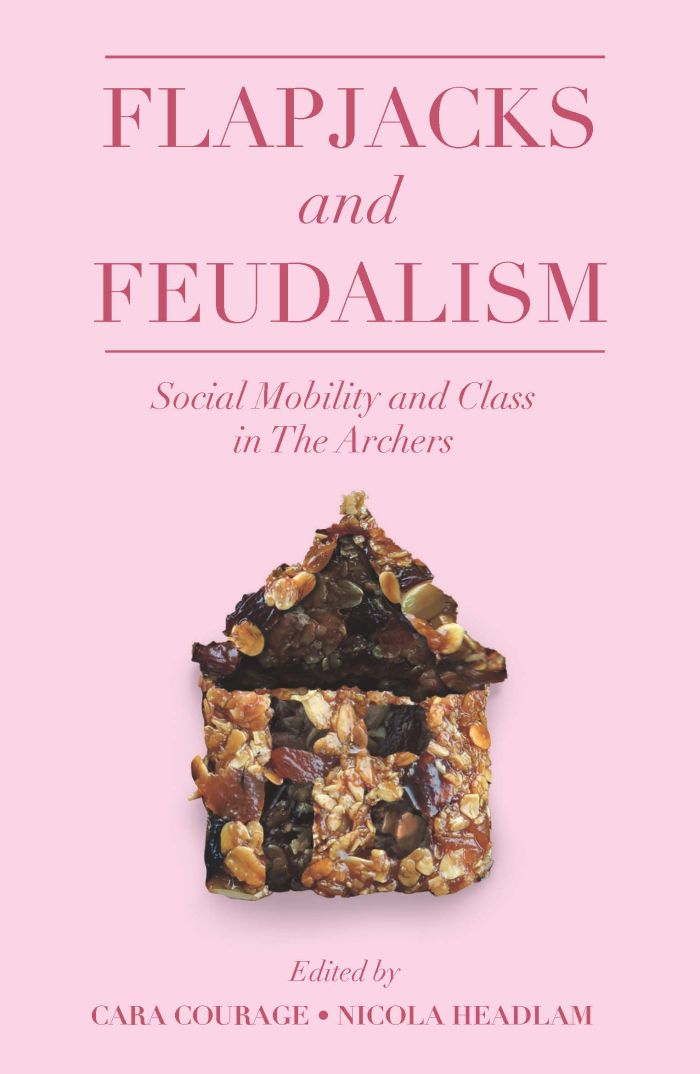

Flapjacks and Feudalism
Social Mobility and Class in The Archers

This book can be opened with

Note on our eBooks and Audiobooks: you can read our eBooks (ePUB or PDF) and listen to audiobooks on the free Emerald Books app on iOS, Android, and desktop. Or read and listen on Emerald's online reader (ePUB eBooks and audiobooks only). To purchase a digital book you will need to create an account if you don’t already have one. After purchasing you will receive instructions on how to get started.
- Description
- Contents
- Reviews
- About
Preface: The Haves and Have Nots: Wealth and Value in Ambridge; Cara Courage and Nicola Headlam Section 1 – It’s who you know, and what you know about them Chapter 1. The Grundys and their Oppressors; Keith Flett Chapter 2. Two-in/one-out: network power, kin-keeping and ‘airtight’ distinction; Nicola Headlam Section 2 – The Fall of The House of Aldridge, the Rise of the Oppressed Grundys? Chapter 3. ‘If you have security, Ed, that is everything’: Deconstructing ‘security’ as a buffer against life’s challenges; Lalage Cambell Chapter 4. ‘Feeding the Horses’: Modern Slavery, the dark side of construction hidden in plain sight in Ambridge; Nicola Headlam Chapter 5. Borsetshire Businessman or Feckless Farmer?; Christine Narramore Chapter 6. What to do when you’re no longer Borsetshire’s Businessperson of the Year or How to handle a scandal; Olivia Vandyk Section 3 - Family function and dysfunction Chapter 7. Contemporary social problems in a rural setting: using The Archers in Social Work Education; Helen Burrows Chapter 8. Academic Archers Assembly: Putting the parents on trial; Cara Courage Chapter 9. Accent and Identity in Ambridge: The link between spoken language and identity; Rob Drummond Chapter 10. ‘We Should have called him Damien’: A discussion of the impact of Henry Archer’s early years on potential crimes of the future; Nicola Maxfield Chapter 11. Fear, fecklessness and flapjacks: Imagining Ambridge’s offenders; Charlotte Bilby Section 4 – Housing and the Ambridge Fairy Chapter 12. Rich Relatives or Ambridge Fairy?: Patronage and expectation in Ambridge housing pathways; Claire Astbury Chapter 13. Staying in the Spare Room: Social Connectedness and Household Co-residence in The Archers; Paula Fomby Chapter 14. Can’t Afford The Laurels?: Care Provision in Ambridge in 2041; Ruth Heilbronn and Rosalind Janssen Section 5 - It takes a village… Chapter 15. Parents, siblings, and the pursuit of power: Predicting the future leaders of Ambridge; Timothy Vercellotti Chapter 16. ‘From the moment those two joined the committee it’s been grunge bands, sumo wrestlers and souffle competitions’: What Ambridge’s civil society says about UK politics in 2019; Amy Saunders Chapter 17. A divided village: A narrative study using a theoretical lens of speculative ontology; Maggie Bartlett
The authors combine a refreshing academic rigour with an obvious (though not uncritical) love for the programme. The intriguing result puts Archers stories and characters into their real-world context – with a lot more laughs along the way than one might expect.
Another intelligent and insightful exploration of The Archers from the Academic Archers team. This cornucopia of thought-provoking standpoints offers readers the chance to reconsider what lies beneath the social system that permeates this everyday story of country folk.
Being an Archers listener is a way of life, and this fascinating book plonks Ambridge exactly where it should be; right at the heart of the real world. Well-researched and beautifully written, it's the academic backbone of a much-loved series.