
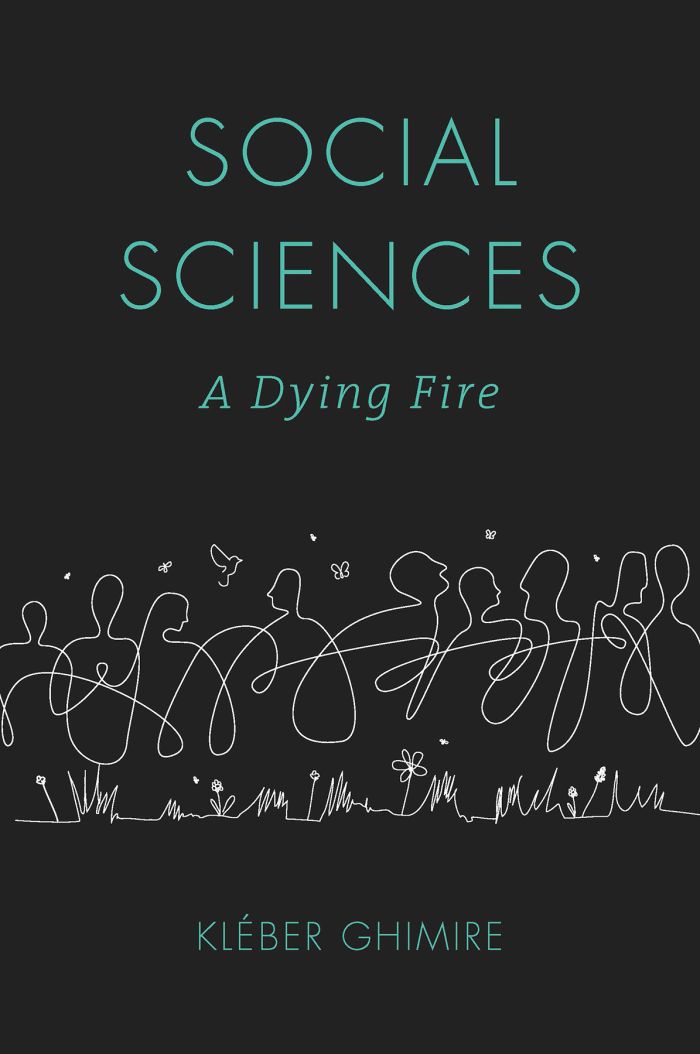


Social Sciences
A Dying Fire

This book can be opened with

Note on our eBooks and Audiobooks: you can read our eBooks (ePUB or PDF) and listen to audiobooks on the free Emerald Books app on iOS, Android, and desktop. Or read and listen on Emerald's online reader (ePUB eBooks and audiobooks only). To purchase a digital book you will need to create an account if you don’t already have one. After purchasing you will receive instructions on how to get started.
- Description
- Contents
- Reviews
- About
Chapter 1. Introducing the Key Elements of Crisis Chapter 2. Efforts to Reflect on Factors Intrinsic to Crisis Chapter 3. Structural as well as More Contemporary Problems Facing the Social Sciences in Europe and North America Chapter 4. Asia as a Centre of New Impulsion in Social Sciences’ Renovations? Chapter 5. A New Context of Marginalization of Social and Human Studies Chapter 6. Concluding Discussions
"The social sciences are caught in an internecine web of internal debates, making the enterprise largely irrelevant to the vast majority of human life. This fact is brilliantly captured in A Dying Fire, in which Professor Kléber Ghimire insightfully describes the causes and consequences of the social sciences' collective navel-gazing. Yet he does so not as a radical, eclectic project, but as an attempt to generate critical thinking essential to ensure continued relevance of these fields of study. De-centering Europe and North America is a vital step towards re-centering the value of the social sciences."
"This book digs deep in the history of social sciences and critically assesses their present uncertain positions. Its' especially important contributions – and cannot be found easily elsewhere – are the reflections and analysis of the social sciences in Asian universities".
"This is a highly original interdisciplinary critique of social sciences. The book is most interesting and important for academics, students or anyone who want to rethink about the current nature of social sciences’ learning."
"This book persuasively explains why the social sciences should move beyond the narrow ideas of scientism, empiricism and professionalism towards a broader concept of learning and comprehensive thinking, and further conveys astoundingly deep knowledge about the commonalities and differences in the notion of learnedness and educational traditions of Western and Asian societies."