
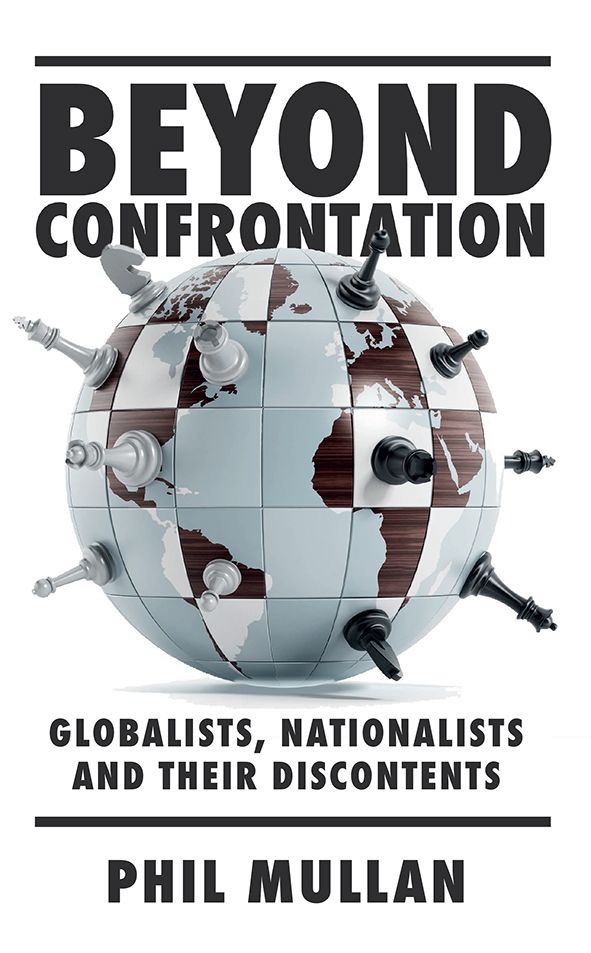

Beyond Confrontation
Globalists, Nationalists and Their Discontents

This book can be opened with

Note on our eBooks and Audiobooks: you can read our eBooks (ePUB or PDF) and listen to audiobooks on the free Emerald Books app on iOS, Android, and desktop. Or read and listen on Emerald's online reader (ePUB eBooks and audiobooks only). To purchase a digital book you will need to create an account if you don’t already have one. After purchasing you will receive instructions on how to get started.
- Description
- Contents
- Reviews
- About
Introduction: Global times Part 1: A world of rules Chapter 1: Making the rules-based international order Chapter 2: Globalism against politics Chapter 3: The anti-democratic roots of neoliberalism Chapter 4: From post-war order to disorder Part 2: Myths about trade Chapter 5: The obsession with trade Chapter 6: Trade becomes weaponised Chapter 7: Free trade illusions Chapter 8: The rise and rise of protectionism Part 3: Internationalism starts at home Chapter 9: Internationalisation: sustaining atrophy Chapter 10: The battle starts at home Chapter 11: Internationalism, national sovereignty and democracy
Beyond Confrontation comes at a time of maximum potential confrontation that has been made even more critical by the arrival of Covid-19. Essential reading for every political leader.
A fresh perspective on renewed international political and economic tensions. Accessible for the general reader as well as academics and students.
Mullan's democratic internationalism offers a pragmatic solution for international collaboration in the post-coronavirus economy.
Mullan’s book is a road-map to the future, a calm reminder to scholars of international relations and practitioners alike that what continues to drive world affairs is the relationship between nations that are both sovereign and democratic.
It’s not unusual nowadays to find writers warning of the danger of rising global tensions. What marks out Mullan’s contribution, however, is a demystifying historical analysis which identifies the underlying sources of conflict, and offers an optimistic and forward-looking vision. It makes for a refreshing contrast to the prevailing fatalism. Beyond Confrontation is an important and urgent book that should be widely read—not least by policy-makers and political leaders of all stripes.