
African Traditional Oral Literature and Visual Cultures as Pedagogical Tools in Diverse Classroom Contexts

This book can be opened with

Note on our eBooks and Audiobooks: you can read our eBooks (ePUB or PDF) and listen to audiobooks on the free Emerald Books app on iOS, Android, and desktop. Or read and listen on Emerald's online reader (ePUB eBooks and audiobooks only). To purchase a digital book you will need to create an account if you don’t already have one. After purchasing you will receive instructions on how to get started.
- Description
- Contents
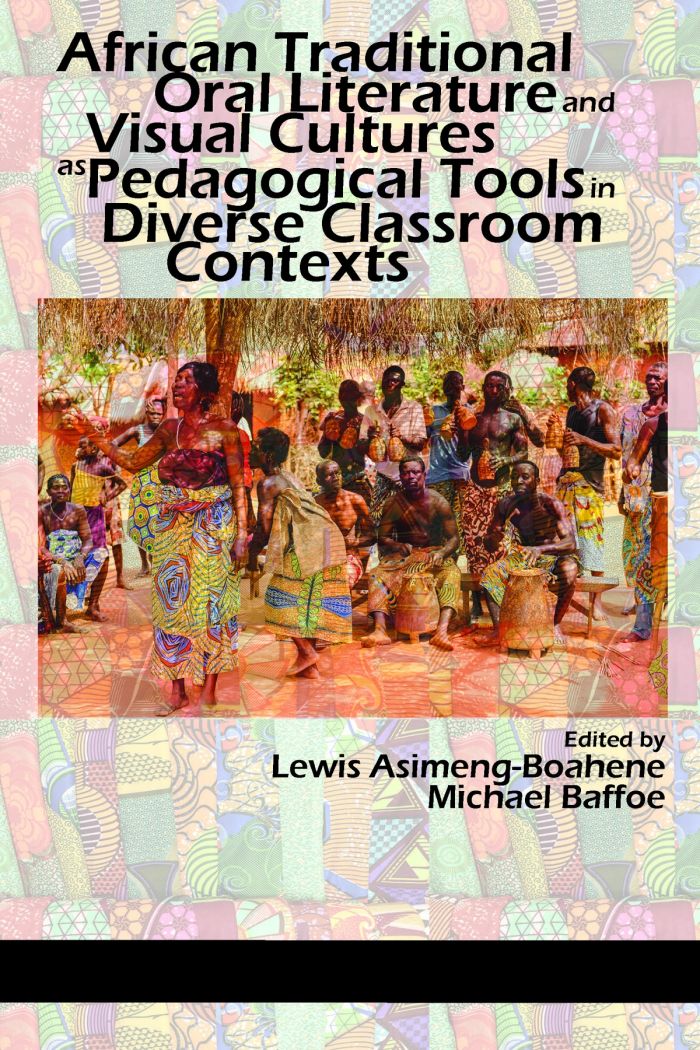
This book, the second in the series, is a distinct exploration of how educational policy makers, curriculum developers, educators, learners and social activists can utilize the hitherto untapped rich resource of African traditional oral literature and visual cultures. These are epistemological reservoirs and invaluable pedagogical tools in the delivery of content in the classrooms of the present global village, most of whom contain diverse student populations from varying backgrounds. The content of the book is thus designed to help expand educators’ repertoire of understanding beyond the hitherto “conventional wisdom”, most of which are either outdated or are colonial impositions on former colonial entities.
Our motivation for pulling together this anthology was due to the fact scholars, educators and educational policy makers have hitherto paid little attention to the epistemological and pedagogical value of Traditional Indigenous Knowledge systems (TIKS). Our objective has been largely achieved by this anthology in the sense that the research perspectives of the contributors to this effort have enhanced the hitherto limited exposure and knowledge about traditional oral literature and visual cultures in Africa. The torch that has been lighted from this endeavor heightens the epistemological and pedagogical implications of TIKS.
In launching this book, we are extending a clarion call to researchers and disciples of Indigenous Knowledge systems in Africa and elsewhere to seize this opportunity and interest generated by this endeavor to undertake more studies in this area. Our current efforts were focused mainly on Africa TIKS systems, but we strongly believe that there are similar and equally powerful and important TIKS systems in other parts of the world, Asia, the Far East, Central and Southern America as well as the Caribbean that are longing for exploration and exposition.
It is therefore our fervent hope that exploration and dissemination of knowledge in this field will continue with the flame lighted from this endeavor. We believe that these efforts will greatly enhance awareness an otherwise neglected and almost forgotten, but important aspects of knowledge creation and dissemination, especially about traditional and hitherto unwritten histories and knowledge systems around the world. These undertakings will help to broaden the conceptualization of what constitutes global knowledge within the current reality of globalization.
Acknowledgements.
- Introduction.
- Chapter 1. Voices, Insights and the Future on African Traditional Oral Literature and Visual Cultures; Lewis Asimeng-Boahene & Michael Baffoe.
- Chapter 2. Sankofa: Re-crafting African Indigenous Knowledge Systems in Culturally Conscious Classroom Contexts; Lewis Asimeng-Boahene.
- Chapter 3. Recognizing and Celebrating the Cultural Capital of Cultural Minority Students in North American Classrooms as Empowering Tools for Academic Success; Michael Baffoe.
- Chapter 4. Libation: Pedagogical Tool for Health and Social Education; Osei A. Mensah.
- Chapter 5. Rethinking Traditional Beliefs: Exploring Ways to Eradicate the Stigma, Segregation and Violence Against Women Accused of Witchcraft in Ghana; Kwadwo A. Okrah.
- Chapter 6. A Case for African Traditional Literature in Children's Education; Daniel Kasule.
- Chapter 7. African Traditional Moonlight Tales: A Culturally Relevant Tool for Discussing Social Issues With Children; Lewis Asimeng-Boahene and Ifeyinwa Mbakogu.
- Chapter 8. African Music and Dance: Instructional Strategy for Global Education; Theresa Tuwuor.
- Chapter 9. Cultural, Ritualistic and Pedagogical Symbolism of the Morse Codes of Ancient Africa in Diverse Learning Environments: The Ikoro & Ekwe as Typologies and Agencies of Non-Verbal Communication Among the Igbo of Eastern Nigeria; Buster C. Ogbuagu.
- Chapter 10. Examining the Roles of Modern Queen Mothers in Preserving the Cultural Heritage of the Akans of Ghana: Pedagogical Implications; Alice Boateng.
- Chapter 11. Adinkra Symbolism of Ghana: Pedagogical Implications for Schooling and Education; Paul Banahene Adjei.
- Chapter 12. Back to Our Roots: Using Puberty Rites of the Akans of Ghana as Cultural Tools for Promoting Traditional Ideals of Womanhood in Classroom Contexts; Alice Boateng and Florence Akosua Agyeman.
- Chapter 13. Accentuating the Importance of Traditional Festivals as Veritable Teaching Tools in Global Classroom Settings; Lewis Asimeng-Boahene and Isaac Mensah.
- About the Contributors.